39 labels on food explained
What Do Food Labels Mean? - FoodPrint The grocery aisles are chock full of food labels and claims, calling out everything from "natural" to "organic." It can be hard to figure out which labels matter and which are meaningless marketing claims. Some food labels are certifications. This means they meet certain standards and have been verified by a third-party certifier. Use-By, Sell-By, Best-By: Food Dating Labels Explained - WebMD Labels Explained. "Best if Used By" or "Best if Used Before": The date the product will have its best flavor or quality. "Use-By": The last date the product will likely be at its ...
Understanding Food Nutrition Labels | American Heart Association Remember that the information shown in the label is based on a diet of 2,000 calories a day. You may need less or more than 2,000 calories depending upon your age, gender, activity level, and whether you're trying to lose, gain or maintain your weight. When the Nutrition Facts label says a food contains "0 g" of trans fat, but includes ...
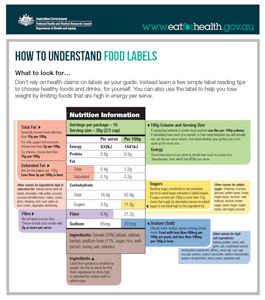
Labels on food explained
Food Labeling & Nutrition | FDA Food labeling is required for most prepared foods, such as breads, cereals, canned and frozen foods, snacks, desserts, drinks, etc. Nutrition labeling for raw produce (fruits and vegetables) and... Food Labels | CDC - Centers for Disease Control and Prevention If you eat the whole thing, you are eating 8 times the amount of calories, carbs, fat, etc., shown on the label. Total Carbohydrate shows you types of carbs in the food, including sugar and fiber. Choose foods with more fiber, vitamins, and minerals. Choose foods with lower calories, saturated fat, sodium, and added sugars. Avoid trans fat. Food labels - NHS Most pre-packed foods have a nutrition label on the back or side of the packaging. These labels include information on energy in kilojoules (kJ) and kilocalories (kcal), usually referred to as calories. They also include information on fat, saturates (saturated fat), carbohydrate, sugars, protein and salt.
Labels on food explained. en.wikipedia.org › wiki › Guideline_Daily_AmountGuideline Daily Amount - Wikipedia A Guideline Daily Amount (GDA) was a nutrition facts label originally designed in 1996 in the United Kingdom (UK) as a collaboration between the government, the food industry and consumer organisations. GDAs appeared on the front and back of food packaging to help raise awareness of how much a food item represents as a proportion of a balanced ... Food Labels Guide & Examples | How to Read Nutrition Labels - Video ... Food labels are designed to provide the consumer with information about the nutrient content of an item. They are required to be placed on most food items by the U.S. Food and Drug Administration... How to Read Food Labels - Food Labels Explained - Exercise 4 Weight Loss With the labels, you will find the amounts and kinds of nutrients that are provided in the item. . It contains the information on calories, fats, sodium, fiber, protein and carbohydrates and more "per serving.". However, understanding and reading these labels can be very perplexing. A typical consumer would definitely ask what those ... Food Labels Explained - Farm Aid Organic labels can be found on produce, dairy, meat, processed foods, condiments and beverages. Food products labeled "organic" must contain at least 95% organic ingredients with no synthetic growth hormones, antibiotics, pesticides, biotechnology, synthetic ingredients or irradiation used in production or processing.
fromthetrenchesworldreport.com › carbon-foodCarbon Food Labels May Be Coming. Here’s What They Mean Aug 12, 2022 · Adding the carbon footprint was a way of ensuring that “food’s impact on the climate was not going to fly under the radar.” Today, scientists are asking whether having carbon labels on food items might actually help people make more informed choices, not only about the food they consume, but also the ingredients they buy. Understanding Food Labels - The Nutrition Source The information on food labels is intended to help consumers become savvy about their food choices. The front, back, and sides of a package are filled with information to inform us what the food contains and to provide guidance in making healthier selections of processed foods. How To Read Food and Beverage Labels - National Institute on Aging At the top of the Nutrition Facts label, you will find the total number of servings in the container and the food or beverage's serving size. The serving size on the label is based on the amount of food that people may typically eat at one time and is not a recommendation of how much to eat. Read more about serving and portion sizes. Figuring Out Food Labels (for Kids) - Nemours KidsHealth The Nutrition Facts label gives you information about which nutrients (say: NEW-tree-ents) are in the food. Food contains fat, protein, carbohydrates, and fiber. Food also contains vitamins, such as vitamin D, and minerals, such as calcium and iron. Your body needs the right combination of nutrients to work properly and grow.
How to Understand and Use the Nutrition Facts Label | FDA - U.S. Food ... In the following Nutrition Facts label we have colored certain sections to help you focus on those areas that will be explained in detail. Note that these colored sections are not on the actual... Food labels explained | SA Health Why the need for food labels. Food labels provide information to help us make healthier and safer food choices. They: tell us which nutrients, in what amounts, are in a product. warn us if a food contains food allergens. inform us if the food is fresh or out of date. explain how to store, prepare or cook the food we buy. list product ingredients. Food Labels Explained: Nutrition Information Labels The nutrition panel usually contains information about the 7 main nutrients: energy (kcal), protein, fats, saturated fats, carbs, added sugars, and sodium. When buying food, a good idea would be to compare brands of the same food product. For example, a brand of tomato sauce can have higher amounts of sugar and calories per serving than another ... › thought-leadership › blogWhat Is BRC? Global Food Safety Standard Explained - Ideagen Jun 06, 2017 · The British Retail Consortium (BRC) first published its Global Standard for Food Safety in 1998. Developed to help the food industry comply with UK and EU food safety laws, it's become an internationally recognised benchmark for best practice in food safety, quality and responsibility, with over 17,000 BRC-certified sites worldwide.
How to read food labels | healthdirect
Food labels - Better Health Channel Use-by and best-before dates on food labels. Foods with a shelf life of less than 2 years must have a best-before or use-by date. These terms mean different things. Best-before date on food labels. The best-before date refers to food quality - food stored in the recommended way will remain of good quality until that date.

Food Labeling: Ideas For a New, Ideal Food Label | MPHProgramsList.com 2017
10 Rules For Reading a Food Label - YouTube The basics for understanding a nutrition label are important for every person to know. This video presents clear rules to properly read a food label. This vi...
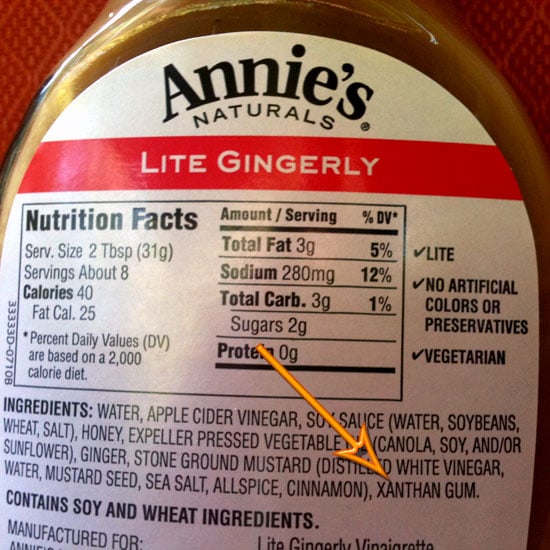
Weird Ingredients in Foods Explained | POPSUGAR Fitness
Food Labels And Nutrition Terms Explained - Beezzly Saturates. Understanding Food Labels. This sign means saturated fats. These are quite harmful since, when being intaken too much, they can cause heart problems and raise cholesterol. So try to purchase food without this marking or at least buy it more seldom.
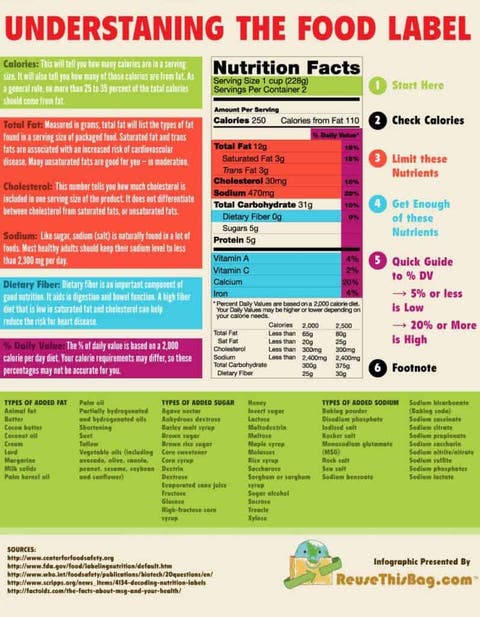
31 How To Read Label On Food - Labels Database 2020
› understanding-food-labelsUnderstanding food labels | Diabetes UK Follow these tips to become expert at understanding labels in minutes: With traffic light labels, go for green, occasionally amber, and red only as a treat. Reference intake (RI) percentages are given per portion, and indicate how much the portion contributes to the amount of calories, fat, sugars and salt an average adult should have each day.

We Redesigned Food Labels to Serve Up Real Value | WIRED
Food Expiration Date Labels Explained: Here's What to Know The "Best If Used By" label, which can also appear as "Best Before," is supposed to indicate when a product is at its best quality or flavor. Foods don't expire once their "Best If Used By" date arrives; they're just a little beyond their prime. You can safely eat foods past this "expiration" date, and you'll likely notice ...

ECO LABELS 101: Green Certifications Explained!
› Read › 445Food-Grade Lubricants Explained - Machinery Lubrication The evaluation criteria cover three main aspects: food-grade lubricants, evaluation requirements and ingredients. The food-grade lubricants must comply with the requirements of the draft standard as well as CFR Title 21 §178.3570, and more specifically, sections 172.860 for vegetable oils and 172.878 for mineral oils.

Do food labels drive you crazy
› diet › featuresWhat You Need to Know About Food Expiration Dates - WebMD Around 90% of people in the U.S. don't understand expiration dates on food labels. They throw away food that is still good or could be frozen for later. Your food may be good for slightly more ...

Gastrointestinal Function | Basicmedical Key
› baby-food-stages-andBaby Food Stages on Labels—What Do They Mean? - Verywell Family Oct 31, 2021 · The popular brand Gerber has registered trademarks for "1st Foods," "2nd Foods," and "3rd Foods." Other brand labels simply use "1," "2," or "3," which some companies use to refer to the age of the baby and others use to define the stage in which the baby is ready for a certain type of food.
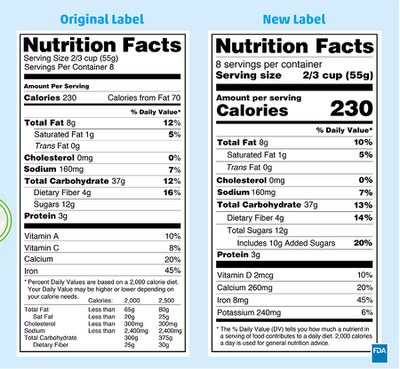
Questions and Answers About the Updated Nutrition Facts Label — Publications
Food labels - NHS Most pre-packed foods have a nutrition label on the back or side of the packaging. These labels include information on energy in kilojoules (kJ) and kilocalories (kcal), usually referred to as calories. They also include information on fat, saturates (saturated fat), carbohydrate, sugars, protein and salt.
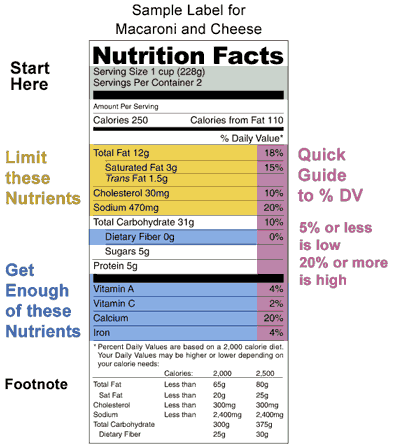
Quick Guide to Food Labels – Live Well Furman
Food Labels | CDC - Centers for Disease Control and Prevention If you eat the whole thing, you are eating 8 times the amount of calories, carbs, fat, etc., shown on the label. Total Carbohydrate shows you types of carbs in the food, including sugar and fiber. Choose foods with more fiber, vitamins, and minerals. Choose foods with lower calories, saturated fat, sodium, and added sugars. Avoid trans fat.
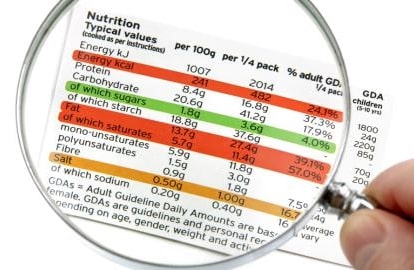
How to Read Food Labels - Food Labels Explained
Food Labeling & Nutrition | FDA Food labeling is required for most prepared foods, such as breads, cereals, canned and frozen foods, snacks, desserts, drinks, etc. Nutrition labeling for raw produce (fruits and vegetables) and...

Veggie Pasta: Healthier Choice or Marketing Hype?

Alcohol Nutrition Labels Needed: They Should List More than Calories

35 Importance Of Food Label - Online Labels Ideas
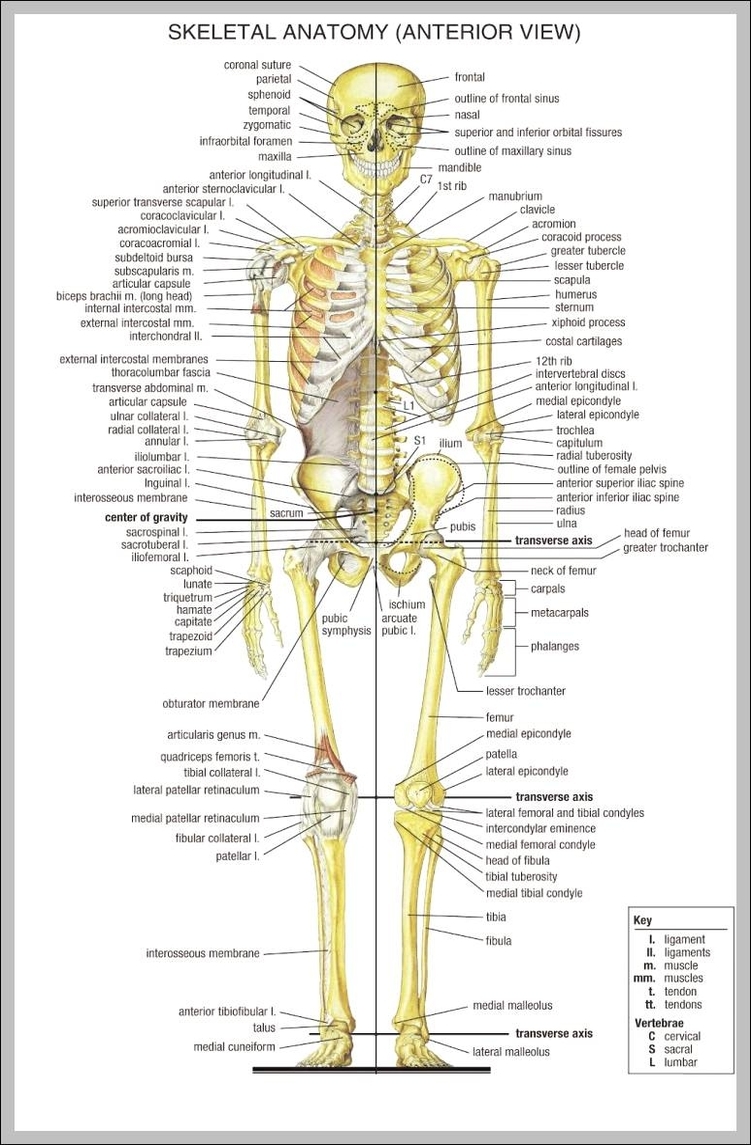
body skeleton | Anatomy System - Human Body Anatomy diagram and chart images

Not Buying Anything: Truth In Food Labelling Monday

What do the food labels use-by and sell-by really mean? Find out here! | Dr. Oz | Pinterest ...
Post a Comment for "39 labels on food explained"